

You’ve seen it before. Maybe you’ve lived it.
A promotion is announced. The team gets the news. Within weeks, the resignation emails start arriving. One after another. Three high performers are gone. The manager is left wondering what went wrong.
This isn’t about jealousy. It’s not about sour grapes or poor attitudes. It’s about a leadership decision that, despite good intentions, quietly destabilized an entire team.
Here’s How It Happens And What You Can Do To Prevent It
1. The “Why” Is Missing (No Transparency)
The announcement comes down from above: “We’re pleased to announce Joy’s promotion to Senior Director.”
What the team hears: “We made a decision. You don’t need to know why.”
When leadership fails to communicate the rationale behind a promotion, it creates a vacuum that fills with assumptions, resentment, and doubt. Your high performers start questioning their own trajectory. They wonder if hard work matters or if it’s about who you know. They feel devalued because no one bothered to explain the decision.
Transparency doesn’t mean revealing confidential performance details. It means articulating the competencies, achievements, and strategic alignment that led to the decision. It means helping the team understand what success looks like in your organization.
Without this context, trust erodes. And trust is the foundation of retention.

2. Misaligned Culture: Bringing the Past Into the Present
Here’s where things get complicated. The newly promoted leader arrives with a playbook from their previous role or team. They start changing processes, communication styles, and expectations without understanding the existing team culture.
In DISC terminology, imagine a team that has thrived under a Steady, collaborative approach suddenly reporting to a Dominant, directive leader who values speed over consensus. The mismatch isn’t about right or wrong. It’s about incompatibility that no one addressed during the promotion decision.
The new leader implements changes that feel abrupt and tone-deaf. Long-standing team members feel their contributions are being dismissed. The culture that once made them engaged and productive is being replaced without their input or buy-in.
Within weeks, your best people start looking for environments where they feel valued and understood. The exodus begins.
3. Feedback Is Ignored: The Team Feels Invisible
Perhaps the most damaging pattern is this. The team raises concerns, and nothing happens.
They mention in one-on-ones that the new direction feels misaligned. They suggest alternative approaches in team meetings. They express confusion about changing priorities. And each time, their feedback disappears into a void.
When people feel unheard, they stop speaking up. When they stop speaking up, they start planning their exit.
Leadership often misses this signal because the team stops complaining. But silence isn’t satisfaction. It’s resignation in its earliest form.
The message becomes clear: your voice doesn’t matter here. And talented people refuse to work where their voice doesn’t matter.

The Ripple Effect
Here’s what makes this pattern so destructive: it compounds.
One resignation might be a coincidence. Two raises’ eyebrows. Three creates a narrative. “Something’s wrong over there.” The remaining team members feel increased pressure, decreased morale, and heightened anxiety about their own futures.
Recruiting becomes harder. Onboarding takes longer. Institutional knowledge walks out the door. Projects stall. The team that was once high-performing is now in survival mode.
And it all started with one leadership decision that wasn’t fully thought through.

What Leaders Can Do Differently
The good news? This is preventable.
Here’s how:
» Communicate the why
When making promotion decisions, prepare to explain the reasoning to the broader team. Help people understand the competencies you value and the path to advancement in your organization.
» Assess cultural fit, not just capability
Before promoting someone into a leadership role, evaluate how their leadership style aligns with team culture. Use tools like DISC assessments to understand potential friction points and create transition plans that honor both the new leader’s strengths and the team’s needs.
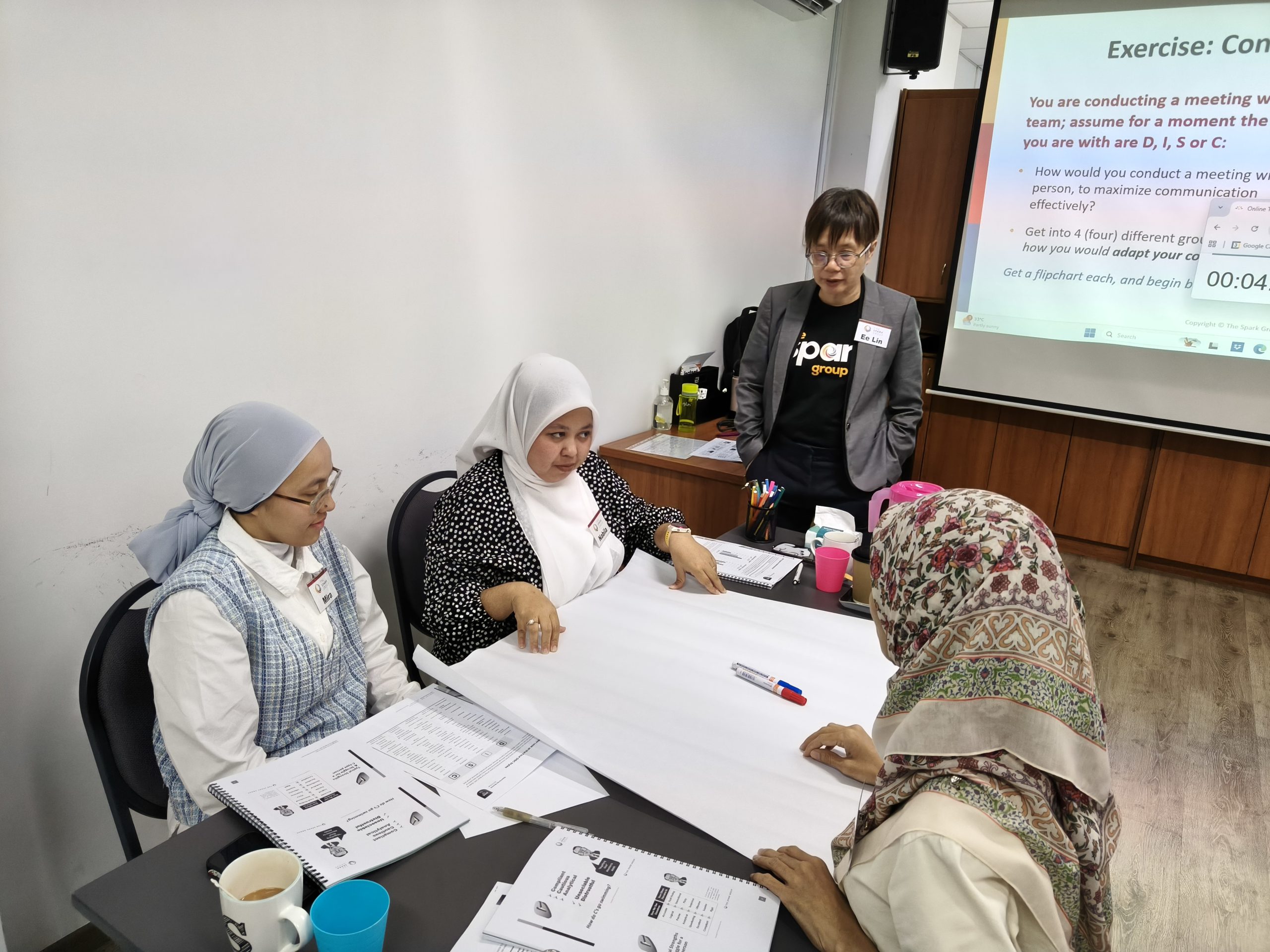
Programs like Effective Leadership & Communication Mastery can equip new leaders with the self-awareness and communication skills needed to navigate these transitions successfully, bridging the gap between their natural style and what the team needs to thrive.
» Create feedback loops that actually work
Establish regular check-ins after leadership transitions. Ask specific questions about what’s working and what isn’t. Most importantly, act on what you hear. Show your team their voices shape decisions.
» Support the new leader
Provide coaching and context. Help them understand the team they’re inheriting. Give them space to learn before expecting them to transform everything immediately.
Leadership transitions are inflection points. They either strengthen your team or quietly dismantle it. The difference lies in how intentionally you manage the process.
Save This and Reflect
If you’re a leader who has made promotion decisions, ask yourself:
- Did I clearly communicate why this person was chosen?
- Do I understand how their leadership style might clash with team culture?
- Have I created space for honest feedback about this transition?
- Am I actually listening to what my team is telling me?
If you’re someone who has resigned after a leadership change, your experience matters. The patterns are real, and recognizing them helps us all lead better.
If you’re navigating these challenges and want to strengthen your leadership approach through coaching, consider the Coach Foundation Program (CFP). It’s designed to help leaders understand their impact, align their style with team needs, and build cultures where people want to stay and grow.
Sometimes the best investment isn’t in hiring replacements. It’s in understanding why people leave in the first place.
Ready to explore what’s possible? Let’s connect and talk about how coaching can help you lead with greater awareness and impact.